-
By Nick Kaeser
- 05.10.2026
- Blog
Thailand’s tropical climate is hard on cannabis. Temperatures regularly climb above 30°C and humidity often exceeds 70%, so storing cannabis properly isn’t just about keeping it fresh. It’s about safety, potency and flavour. This guide covers everything you need to know about cannabis storage in Thailand’s climate.
Why Proper Cannabis Storage Is Critical in Thailand’s Climate
The two main enemies of cannabis in Thailand are heat and humidity. Exposed to them, cannabis deteriorates quickly. Terpenes evaporate, so aroma and flavour fade. THC converts to CBN, which reduces potency. Trichomes degrade, and mold and mildew can grow, which is a real health risk.
Badly stored cannabis doesn’t just lose quality. It can become unsafe to consume. With the right storage, you can keep it fresh for months, even here.
Creating the Ideal Storage Environment for Cannabis in Thailand

The ideal storage environment is 15–21°C (59–70°F) with 58–62% relative humidity. You won’t hit those numbers exactly without special equipment, but you can get close.
Temperature Control Strategies
Choose naturally cooler spaces. Ground-floor rooms and interior rooms without windows stay cooler and more stable. In most Thai homes and condos, the best spot is a wardrobe or cabinet in an air-conditioned bedroom.
Open your jars at cooler times of day, in the morning or evening. A jar kept inside a larger box or container is also better protected against temperature swings.
Humidity Management Essentials
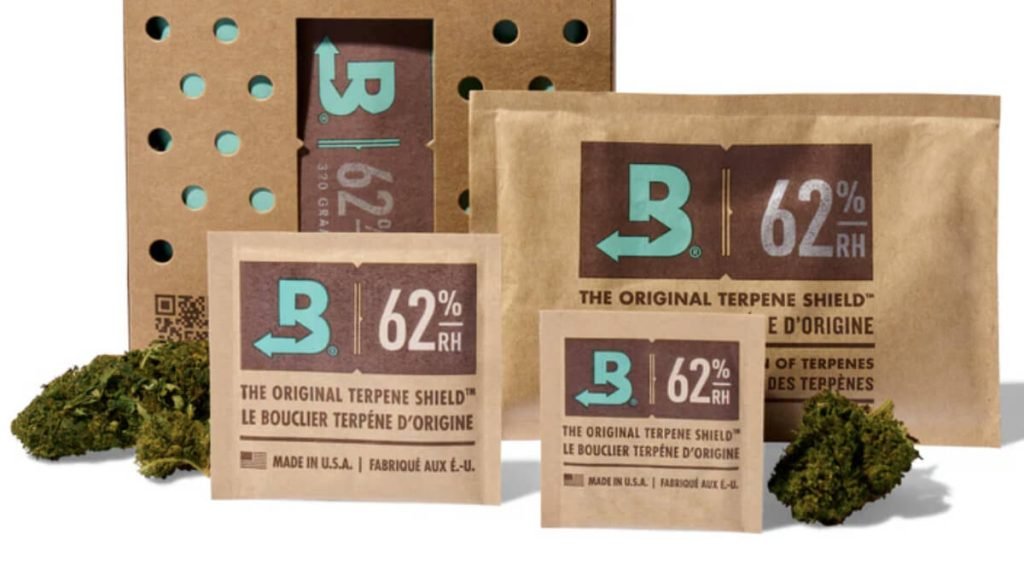
In Thailand, humidity control matters even more than temperature, because high humidity is what causes mold. Humidity control packets such as Boveda or Integra Boost absorb or release moisture to keep a stable level. For most cannabis storage in Thailand, 62% RH packets work best.
A small hygrometer inside the jar shows the real humidity, so you catch problems early. Extra desiccants can help during the rainy season, but keep them in an outer container and not touching the cannabis, so it doesn’t dry out too much.
Essential Storage Equipment for Cannabis in Thailand
Primary Container Options
Glass jars with airtight seals are the gold standard. They’re airtight, they don’t affect taste, and you can check your cannabis without opening them. Amber or other UV-protective glass adds light protection.
Stainless steel containers are a good alternative. They’re durable and light-proof, and they don’t affect flavour. Ceramic containers with rubber seals can work too, if the seal is truly airtight.
Avoid plastic containers. Most aren’t fully airtight, they can affect taste, and static pulls trichomes off the buds. For a small amount you’ll use within a few days, a simple zip-lock bag is fine. For anything larger or longer, use a jar.
Supporting Equipment
Keep spare humidity control packets, because they wear out faster in Thailand than in cooler climates. UV protection sleeves turn clear jars into light-safe storage for very little money. Labels with the strain and date help you use the oldest cannabis first.
Step-by-Step Cannabis Storage Guide for Thailand
Start with properly cured cannabis. It should feel slightly crisp outside and still a little flexible. Make sure your container is completely clean and dry, then put in one 62% RH humidity packet.
Add your cannabis, but leave about a quarter of the jar empty. Seal the jar tightly, because an airtight seal keeps Thailand’s humidity out. Store it in a cool, dark place away from heat sources.
Check your cannabis once a week for moisture or mold. Replace the humidity packet when it turns hard.
Short-Term vs. Long-Term Storage Solutions

Short-Term Storage (Up to 1 Month)
For cannabis you’ll use within a month, a basic airtight glass jar in a cool, dark place is usually enough. A humidity packet is still recommended in Thailand. Check the jar every 7–10 days.
Long-Term Storage (1+ Months)
For longer storage, use the best airtight, light-proof containers you can afford and keep the conditions consistent. Temperature swings do more damage over months. Check weekly, and more often in the rainy season, which runs roughly from May to October.
Vacuum sealing is an option for storage of three months or more, but it can crush trichomes. If you use it, seal small portions that you’ll use in one go. Label everything with dates.
Best Storage Locations in Thai Homes
Optimal Storage Spots
The best places are interior closets and wardrobes, ideally on the ground floor, and cabinets away from outside walls. Air-conditioned rooms and spaces that get little direct sunlight also work well.
Places to Absolutely Avoid
Avoid bathrooms, where humidity swings are extreme, and kitchens, which combine heat, humidity and strong smells. Keep cannabis off window sills and away from direct sunlight.
Never store it in outdoor structures like garden sheds, or in a parked car or under a motorbike seat. These places get extremely hot.
Common Cannabis Storage Mistakes
The most common mistake is the regular refrigerator. Humidity and temperature change every time the door opens, and condensation leads to mold. The freezer is no better, because frozen trichomes become brittle and break off.
Keeping cannabis in its original bag is another mistake, as most packaging isn’t made for long-term storage in this climate. Opening the jar too often lets humid air in every time. Storing it near electronics is also a problem, because they give off heat.
Recognizing When Cannabis Storage Has Failed
Look for white, fuzzy spots, which mean mold. Yellowing or browning and buds that look unusually compressed are also warning signs.
Smell is just as important. Musty or ammonia-like odours almost always mean mold, and a hay-like smell points to moisture problems. If there’s no smell at all, the terpenes are gone.
Check the texture too. Cannabis shouldn’t crumble to dust, which means it’s too dry, or feel damp, which means it’s too humid.
Troubleshooting Common Storage Problems in Thailand
If you find moisture in the jar, take the cannabis out and let it air dry in a room with good air circulation. Check it carefully for mold, and then store it with fresh humidity packets.
If your cannabis is too dry, put it in a sealed jar with a fresh humidity packet and check it after a few days. Light damage is permanent, so use that cannabis soon and improve your storage.
If you find mold, always throw the cannabis away. It’s never worth the health risk.
Cost-Effective Storage Solutions for Every Budget

On a small budget, start with basic mason jars and humidity packets, kept in the coolest, darkest place you have. Both are easy to find in Thailand, including on online marketplaces.
For a mid-range setup, add UV sleeves and a small hygrometer. For a premium setup, use specialised cannabis containers with built-in humidity control, or a small dedicated mini-fridge set to a warmer temperature. A normal kitchen fridge doesn’t count.
Frequently Asked Questions
How long does cannabis stay fresh in Thailand?
In a sealed glass jar with a humidity packet, kept in a cool, dark place, cannabis stays fresh for several months. In an open bag at room temperature it loses aroma within days, and mold becomes a risk within a week or two in the rainy season.
Can I store cannabis in the fridge?
Not in a regular one. The changing humidity causes condensation and mold.
What humidity is best for storing cannabis?
The best range is 58–62% relative humidity. In Thailand, 62% packets work best.
I’m only in Thailand for a holiday. How should I store it?
Keep it in a small airtight jar inside a closed wardrobe in your air-conditioned room, away from the window and the balcony.
Conclusion: The Investment Is Worth It
Good storage equipment costs far less than replacing ruined cannabis. In Thailand’s climate, proper storage protects your money, your experience and your health. Remember that consistency is key: even the best jar can’t make up for frequent opening or a hot storage spot.